
The old adage “united we stand, divided we fall” is being put into practice in an unexpected quarter: the UK steel industry. Long-time competitors Tata Steel and British Steel have formed an unprecedented alliance, a decision driven not by a merger but by the shared need to survive the turmoil of modern global trade. This move could redefine the nature of industrial competition itself.
This partnership is a direct, strategic reaction to the complexities of US tariffs and the challenging “melted and poured” rule. Faced with this common barrier, the two industrial giants recognized that a collaborative approach would be far more effective than an individual one. It’s a powerful lesson in prioritizing the bigger picture—maintaining market access—over smaller, internal battles for market share.
The deal powerfully illustrates the shift away from the siloed, adversarial business practices of the 20th century. The global landscape today is too unpredictable and the challenges too immense for such a rigid approach. The future belongs to those who can master “coopetition”—the ability to cooperate with a rival on a specific issue for mutual benefit, without ending the competitive relationship.
This model of pragmatic partnership has revolutionary potential, especially when applied to the climate crisis. The decarbonization of heavy industry is a monumental challenge that demands massive, coordinated investment. The Tata-British Steel collaboration provides a working template for how rivals can join forces to fund green hydrogen projects, share carbon capture infrastructure, and collectively accelerate the transition to sustainability.
This alliance, though temporary, has set a new precedent. It points toward a future where UK industry operates more like a flexible, resilient ecosystem than a rigid battlefield. Competition will remain a key driver, but it will be balanced by a newfound capacity for strategic cooperation, ensuring the entire sector is better equipped to handle the chaos of the modern world.
United We Stand: How Trade Turmoil Led to an Unprecedented Steel Alliance
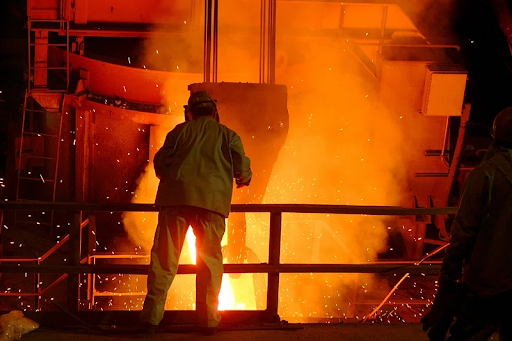
Picture Credit: www.rawpixel.com
46