
Cornwall’s monuments functioned as physical archives preserving knowledge that oral traditions might otherwise lose. While oral transmission remained essential for explaining monuments’ significance, the stones themselves provided permanent reference points that prevented complete knowledge loss even when oral traditions faltered. This dual system—combining ephemeral oral knowledge with permanent physical markers—created robust information preservation superior to either method alone.
Oral traditions offered flexibility and detail unavailable in stone monuments. Stories about why specific sites held importance, instructions for conducting ceremonies, explanations of astronomical patterns, and cultural meanings could all be transmitted verbally across generations. This oral knowledge animated monuments, transforming silent stones into meaningful cultural features embedded within narrative frameworks.
However, oral transmission faced vulnerabilities. Information could be lost if knowledge holders died without teaching successors. Stories changed gradually through repeated telling. Cultural disruptions from invasions, diseases, or social upheavals could break transmission chains. These vulnerabilities meant purely oral systems risked losing accumulated knowledge during crises.
Stone monuments provided backup systems that preserved core information even when oral traditions failed. Astronomical alignments remained readable to anyone developing appropriate observational skills, regardless of whether traditional explanations survived. Monument positions indicated that these locations held significance even if specific reasons were forgotten. This preservation function meant knowledge recovery remained possible after transmission breaks.
The relationship between oral and physical archives was complementary rather than redundant. Oral traditions provided context and meaning that monuments alone couldn’t convey. Physical monuments preserved spatial and astronomical information that oral traditions might garble or lose through imprecise transmission. Together they created comprehensive knowledge systems more robust than either component individually.
Rediscovery processes demonstrate this dual system’s effectiveness. Modern archaeoastronomy recovered astronomical knowledge preserved in monument alignments despite oral traditions about these functions being lost centuries ago. Carolyn Kennett’s research essentially reads the stone archive, extracting information Neolithic builders encoded physically. This recovery wouldn’t be possible without monuments’ permanence.
Contemporary oral traditions about monuments blend ancient and modern elements. Some folklore may preserve genuine prehistoric beliefs in distorted form. Other traditions represent later inventions creating new meanings for mysterious structures. The Montol festival revives and creates oral traditions around seasonal celebrations, maintaining the practice of using stories and ceremonies to animate monuments even when specific content evolves.
Understanding monuments as community archives enhances appreciation for their multiple functions. They weren’t solely religious or astronomical structures but information repositories ensuring essential knowledge persisted across generations. This preservation function motivated investment in creating permanent monuments rather than relying solely on ephemeral markers. Modern Cornwall maintains both physical monuments and oral traditions through festivals, guided walks, and storytelling that keep stones animated with meaning. This continuation of dual preservation systems—permanent stone archive and flexible oral tradition—honors the sophisticated knowledge management strategies prehistoric communities developed, creating information systems whose effectiveness is demonstrated by their persistence and functionality across four thousand years of cultural change.
The Community Archive: Oral Traditions Preserved in Stone
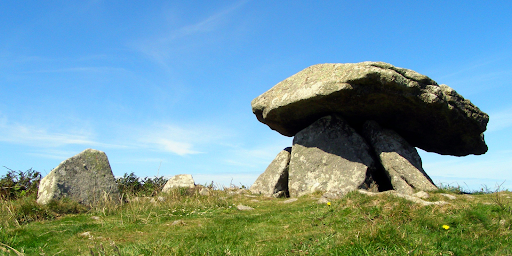
Photo by Jim Champion (treehouse1977), via wikimedia common
13