
While a widely expected Bank of England interest rate cut this Thursday will undoubtedly bring relief to mortgage holders, its impact extends far beyond, affecting various facets of the UK economy. A quarter-point reduction to 4% is anticipated, the fifth such cut since last August, driven by concerns over rising unemployment and the economic drag from new US tariffs. Markets are pricing in an over 80% chance of this August cut.
The Chancellor, Rachel Reeves, will undoubtedly welcome the prospect of lower mortgage rates and reduced borrowing costs for businesses, offering some immediate financial respite. However, the underlying economic challenges remain stark. The UK economy has contracted for two consecutive months, a trend economists attribute to the uncertainty created by Trump’s trade policies and the impact of recent business tax increases.
The labor market is showing concerning signs of weakness, with job vacancies dropping below pre-pandemic levels and the unemployment rate reaching a four-year high of 4.7% in the three months to May. These figures highlight the fragility of the economic recovery and the need for supportive measures.
Despite a specific trade deal with the UK, President Trump’s broader imposition of substantial tariffs on other trading partners is creating significant global economic disruption, impacting the UK’s export and growth prospects. The International Monetary Fund’s subdued forecast for the UK, predicting only marginal expansion for the rest of the year, further underscores the challenging environment. The Bank of England’s own updated forecasts, to be released on Thursday, are anticipated to be even more cautious, potentially confirming the risk of stagflation – a concerning blend of slow growth and persistent high inflation (3.6% CPI).
Beyond Mortgages: How Bank of England Rate Cut Impacts UK
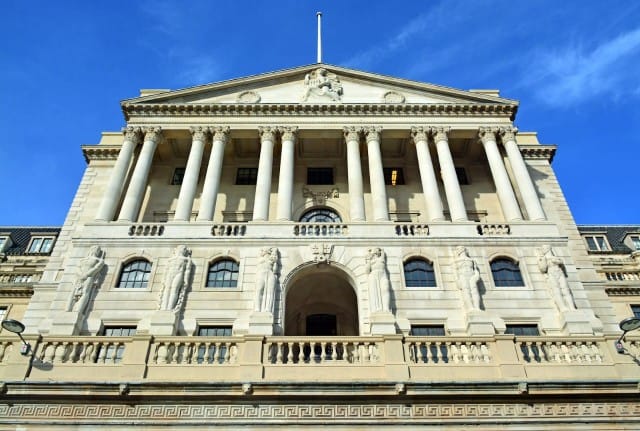
Picture Credit: www.commons.wikimedia.org
42