
The Motability program is implementing a dramatic policy change affecting vehicle access for disabled drivers. The scheme will remove expensive car brands like BMW and Mercedes-Benz from its offerings while targeting half of its substantial fleet to come from British factories by 2035. This comprehensive shift combines cost-effectiveness with strategic industrial policy.
The Chancellor has praised the initiative as beneficial for skilled manufacturing employment, emphasizing support for well-paid jobs and economic prosperity. The scheme has operated for many years as an essential resource for disabled individuals managing the extra financial demands of maintaining personal mobility and reliable transportation. By acquiring vehicles and leasing them to eligible participants, the program enables accessibility.
Premium brand vehicles being phased out constituted approximately 40,000 of the program’s 800,000-vehicle fleet, representing about 5% of total vehicles. Participants who chose these luxury options paid supplemental amounts themselves, ensuring no additional taxpayer expense. The removal decision comes as disability advocates have raised concerns about potential tax benefit changes.
Motability Operations leadership has framed the change as allowing sharper concentration on vehicles genuinely serving disabled people’s practical requirements while demonstrating value. The organization sees this as opening significant possibilities for increased investment in British automotive manufacturing. The commitment represents substantial potential demand.
With approximately 300,000 vehicles leased annually, achieving 50% domestic sourcing would mean 150,000 British-built vehicles entering the fleet each year by 2035. This compares to just 22,000 last year, representing enormous growth potential. For an automotive industry that has endured declining production potentially falling below 700,000 cars this year, this represents meaningful support. Manufacturers including Nissan at its Sunderland facility, Toyota in Derbyshire, and Mini in Oxford could substantially expand production.
UK Manufacturing Commitment Drives Motability’s Premium Car Removal
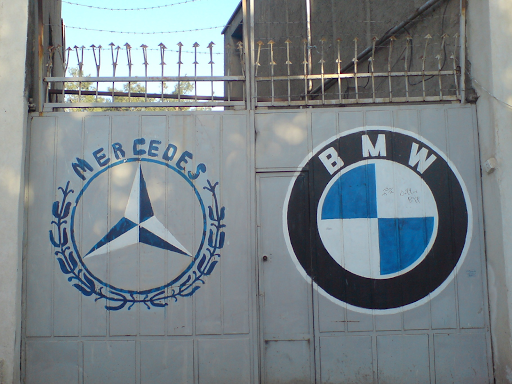
Picture credit: www.commons.wikimedia.org
28