
Starting the day with a nutritious breakfast is crucial for heart health, yet many morning meals are laden with refined carbohydrates, excessive salt, added sugar, and unhealthy fats. Making mindful adjustments to breakfast choices can enhance heart health while maintaining traditional flavors.
For those who enjoy Indian breakfasts like poha, idli, dosa, or paratha, incorporating healthier ingredients and cooking methods can make a significant difference. Adding vegetables to dishes like poha, upma, and paratha boosts fiber and nutrients, while occasionally choosing ragi or millet-based idli and dosa can provide a healthier alternative. Opting for besan or moong dal chilla offers a protein-rich option, and it’s beneficial to reduce the use of salt, oil, and pickles.
Cooking methods also play a vital role in the nutritional value of breakfast. It’s advisable to use less oil and prefer steaming, roasting, or light sautéing over deep-frying. Selecting the right type of cooking oil and avoiding those high in saturated fats is equally important.
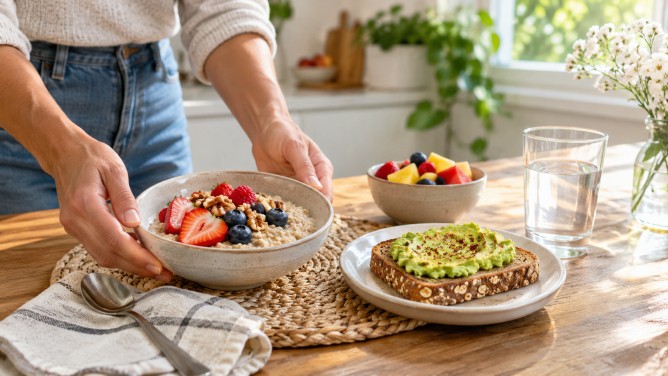
Packaged breakfast foods are convenient but can vary greatly in nutritional content. It’s essential to read nutrition labels to check for sodium, added sugar, trans fats, and fiber levels. Plain oats with curd or yogurt, enhanced with fresh fruit, nuts, and seeds, can serve as a healthier alternative to sugary cereals.
Limiting sugary breakfast items like muffins, sweetened pancakes, and pastries is crucial, as they can disrupt a balanced diet. Whole fruits such as apples, oranges, papaya, or guava are recommended over fruit juices, as they provide essential fiber along with vitamins and minerals.
A balanced breakfast should include a combination of protein, fiber, and healthy fats. Greek yogurt, curd, lentils, paneer, or eggs can add protein, while oats, whole grains, fruits, and vegetables supply fiber. Healthy fats can be sourced from almonds, walnuts, flaxseeds, and chia seeds. A meal like dalia topped with nuts and seeds, accompanied by plain yogurt, can be both filling and nutritious.
For those who consume meat, focusing on the type and preparation of protein is important. Boiled eggs or lightly cooked lean poultry are preferable to deep-fried meats and processed options. Combining protein-rich foods with vegetables, whole grains, or fresh fruits creates a more balanced meal.
Ultimately, supporting heart health begins with everyday food choices. By reducing excess salt and sugar, choosing whole grains, adding protein, and incorporating fresh fruits and vegetables, breakfast can become a more heart-friendly meal. These simple, sustainable changes can make a lasting impact on overall health.