
Translation and interpretation services increasingly face competition from artificial intelligence capable of real-time language translation. This threatens employment in a field that seemed to require uniquely human linguistic and cultural understanding, demonstrating AI’s advancing capabilities in complex communication.
Research shows 60% of jobs in wealthy nations and 40% globally will be affected by AI. Translation and interpretation likely see very high impacts given rapid AI language advances. Some linguists appear among the approximately 10% using AI to enhance productivity, though many face displacement from AI translation services.
Young workers pursuing translation and interpretation careers face uncertain prospects as AI handles increasing proportions of translation work. Entry-level translation positions that built toward professional interpretation may disappear. This threatens traditional pathways to linguistic careers.
Experienced translators and interpreters watch AI systems approach or match human translation quality for many text types. While nuanced literary translation and high-stakes interpretation may resist automation, routine translation faces AI competition. This threatens livelihoods of professionals who invested years in language mastery.
Governance of translation AI involves accuracy standards, cultural sensitivity, and appropriate uses in legal and medical contexts. Labor impacts receive limited attention despite significant employment effects. International cooperation on translation AI could facilitate cross-cultural communication while addressing displacement of linguistic professionals.
Translation and Interpretation Face Advanced AI Competition
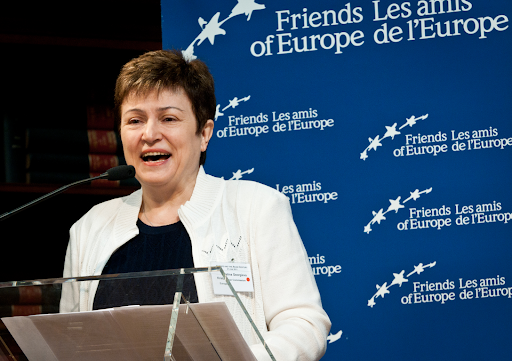
Picture Credit: www.commons.wikimedia.org
4