
The global copper market was thrown into chaos when President Trump announced a 50% tariff on copper imports, sending U.S. prices to record highs while international markets declined. The industrial metal, essential for modern infrastructure and technology, became the latest casualty in Trump’s expanding trade war with the world.
Trump’s copper tariff announcement is part of a broader strategy of using protectionist policies to reshape international trade relationships. The President’s tendency to announce major policy changes during cabinet meetings, combined with frequent revisions to timelines and rates, has created an environment of uncertainty that extends far beyond the commodities sector.
The immediate market response demonstrated the fragmenting effect of Trump’s trade policies, with U.S. copper futures surging over 10% while London Metal Exchange prices fell 2.4%. This divergence reflects trader expectations that high U.S. tariffs will reduce American copper demand, potentially creating global oversupply while driving up costs for domestic manufacturers.
Economic experts are particularly concerned about the inflationary impact of copper tariffs, given the metal’s widespread use across the economy. From renewable energy infrastructure to consumer electronics, copper’s ubiquity means these tariffs could trigger cascading price increases across multiple sectors of the American economy.
Global Copper Divide Emerges as Trump Announces Import Duties
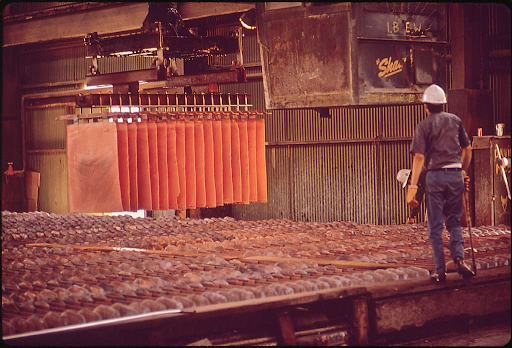
Picture credit: itoldya420.getarchive.net
48
previous post