
For President Donald Trump, the 20-point Gaza peace plan is more than just a policy initiative; it’s a bid for a legacy-defining foreign policy victory. By audaciously claiming he may have “settled the biggest war” and tackled a “3000-year” conflict, Trump is framing the deal in historic, almost messianic terms.
This ambition is consistent with Trump’s “dealmaker” persona and his previous foreign policy ventures, such as the Abraham Accords and his engagements with North Korea. He has consistently sought dramatic breakthroughs that he can present as unique achievements, and ending the Israeli-Palestinian conflict would be the ultimate prize.
The strategy behind the Gaza plan—bypassing traditional diplomatic channels, building a surprise coalition, and issuing a dramatic ultimatum—is designed to produce a quick, decisive outcome that can be credited directly to his leadership. A successful resolution would be a powerful talking point and a cornerstone of his presidential legacy.
However, this high-risk approach also carries the danger of a spectacular failure. If Hamas rejects the deal and the conflict escalates into an even more brutal war, the plan could be remembered as a reckless gamble that made a terrible situation worse.
As the world waits for Hamas’s response, Trump’s legacy hangs in the balance. He has rolled the dice on one of the world’s most intractable problems, and the outcome will either cement his reputation as a historic peacemaker or serve as a cautionary tale of hubris.
The Legacy Question: Trump Seeks a Historic Foreign Policy Win
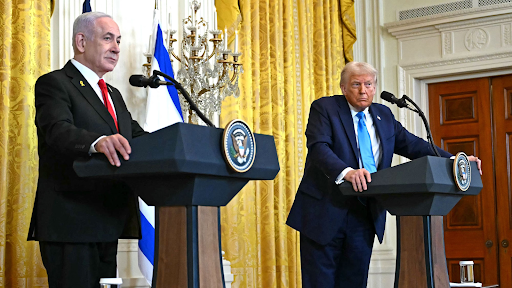
Picture Credit: www.heute.at
51