
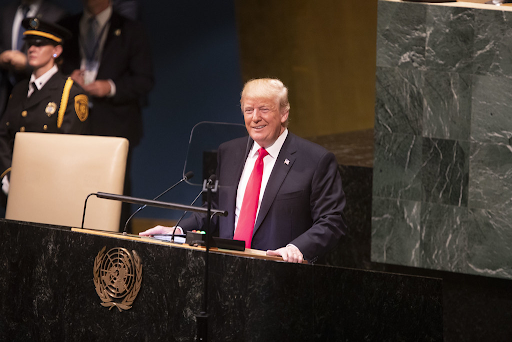
Having previously accused both Vladimir Putin and Volodymyr Zelensky of “stubbornness” for thwarting his mediation efforts in Ukraine, President Donald Trump now appears to be projecting a similar frustration onto India. His aggressive UN speech can be interpreted as a furious reaction to India’s “stubborn” refusal to bow to his demands.
Trump’s diplomatic style is built on the idea of himself as a master dealmaker who can force concessions and solve problems quickly. When this fails, as it has in Ukraine, his frustration mounts. He sees the refusal of other leaders to accept his terms not as a legitimate defense of their own interests, but as irrational “stubbornness.”
India’s insistence on continuing its Russian oil purchases, despite US pressure and tariffs, likely falls into this category in Trump’s mind. He cannot understand why India would “stubbornly” cling to its policy when he has made his own position so clear. The public condemnation at the UN is his way of punishing this perceived intransigence.
The accusation that India is a “primary funder” of the war is the ultimate charge to level against a “stubborn” actor—attributing the continuation of a global crisis to their refusal to cooperate. It’s a way of saying, “This bloodshed is your fault because you won’t do what I say.”
This pattern of behavior, combined with his own “stubborn” adherence to his disputed ‘Operation Sindoor’ story, suggests a significant degree of psychological projection. Trump may be attributing to others the very inflexibility and frustration that characterize his own approach to complex international problems.
The ‘Stubbornness’ Accusation: Is Trump Projecting His Own Frustrations onto India?
Picture Credit: www.flickr.com
44