
The Bank of England hopes that cutting rates to 3.75% will unleash a wave of business investment, but early reactions from the boardroom suggest a “wait and see” approach. The combination of a 5-4 split vote, a shrinking economy (-0.1% GDP), and recent tax hikes has left business leaders cautious. They are happy about cheaper loans, but they are worried about lack of demand.
Investment decisions are driven by confidence in future sales. If the economy is flatlining, businesses won’t buy new machinery or open new branches, even if the interest rate is slightly lower. The “demand problem” is currently overshadowing the “cost of credit” problem.
The National Insurance hike is also a major psychological barrier. It signaled to businesses that the government is looking to them to fill budget holes. This makes them defensive, hoarding cash rather than spending it. The rate cut helps cash flow, but it doesn’t fix the trust deficit.
The Bank’s agents reported that investment intentions are “muted.” This is code for stagnation. Unless consumer spending picks up significantly in early 2026, the supply side of the economy will remain in hibernation.
The danger is a “liquidity trap,” where lower rates fail to stimulate spending because everyone is too scared to part with their money. The Bank is pushing on a string—making money cheaper, but unable to force anyone to use it.
“Wait and See”: Business Leaders Hesitate to Invest Despite 3.75% Rate Cut
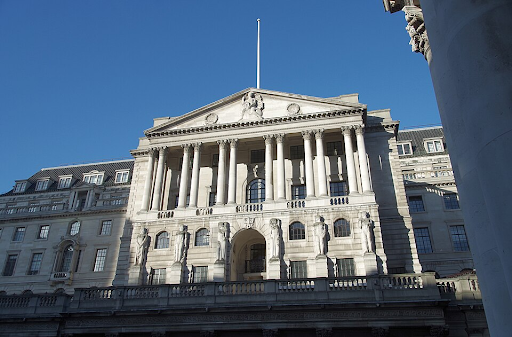
Photo by mattbuck, via wikimedia commons
21
previous post