
Sweden is poised for a political shift as the center-left opposition narrowly clinched a majority in the recent general election, setting the stage for Social Democrats leader Magdalena Andersson to attempt forming a new government. The election results signal a potential change in policy direction, with voters seemingly advocating for new priorities in areas such as climate policy, education, and healthcare.
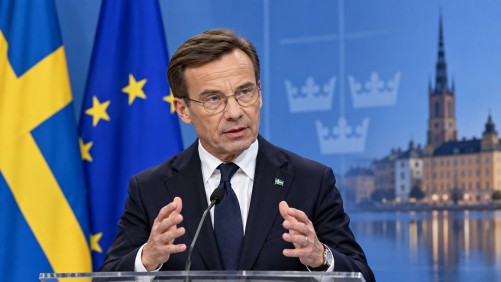
Preliminary results indicate that the left-leaning opposition has secured 176 seats in parliament, surpassing the right-leaning bloc by a mere three seats. This outcome has prompted outgoing Prime Minister Ulf Kristersson to resign, marking the end of his tenure which began in 2022. The resignation paves the way for parliamentary speaker-led efforts to establish a new government under Andersson’s leadership.
Andersson, who is now tasked with navigating complex negotiations, has identified key policy priorities including immigration and elderly care, reflecting the electorate’s desire for change. She has initiated discussions with the Left, Centre, and Green parties to explore possible cooperation. However, reaching a consensus may prove challenging due to divergent views on taxation and climate policies.
In the backdrop of these developments, the Sweden Democrats—previously the second-largest party and a supporter of Kristersson’s government—have experienced a decline in support, falling to third place. This shift in parliamentary dynamics underscores the fluid nature of Sweden’s political landscape, where minority governments often rely on strategic alliances to function effectively.
As Sweden navigates this transitional period, Andersson’s ability to secure broad support will be crucial for establishing a stable governing arrangement. Her efforts to unify various opposition factions could determine the trajectory of Sweden’s political and policy landscape in the coming years.