
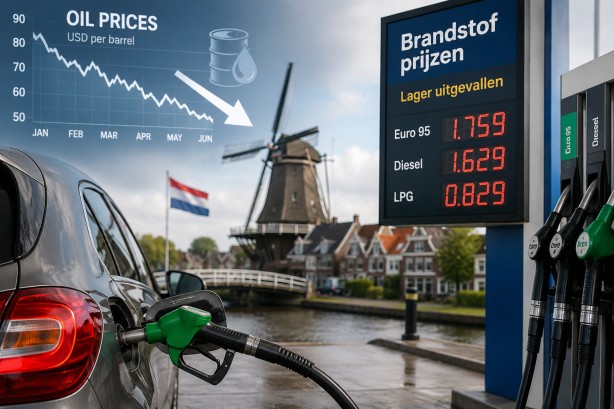
Following the cessation of military strikes between the United States and Iran, oil prices have experienced a substantial decline, sparking hopes for reduced fuel costs in the Netherlands. Brent crude, which was priced at over €88 per barrel by the end of last week, has now fallen to slightly more than €81. This reduction comes amid a strengthening euro, which aids in making oil imports less expensive for European purchasers, given that oil transactions are conducted in US dollars.
Despite the noted decrease in crude oil prices, the advisory price for gasoline in the Netherlands stands at €2.634 per liter. This price remains just under the record high of €2.646 per liter, which was reached earlier in the year. The surge in fuel prices has been significantly influenced by the escalation of conflict involving Iran since late February, causing a notable increase in costs.
Analysts predict that the downward trend in oil prices will eventually be seen at fuel stations throughout the Netherlands. However, they note that adjustments in retail fuel prices typically lag behind changes observed in the global oil markets, often taking several days to reflect the new pricing dynamics.
The current situation offers a potential reprieve for motorists facing high fuel expenses, though the precise timeline for price adjustments at the pump remains uncertain. The interaction between currency fluctuations and oil trading continues to play a crucial role in determining the cost of fuel for European consumers.