
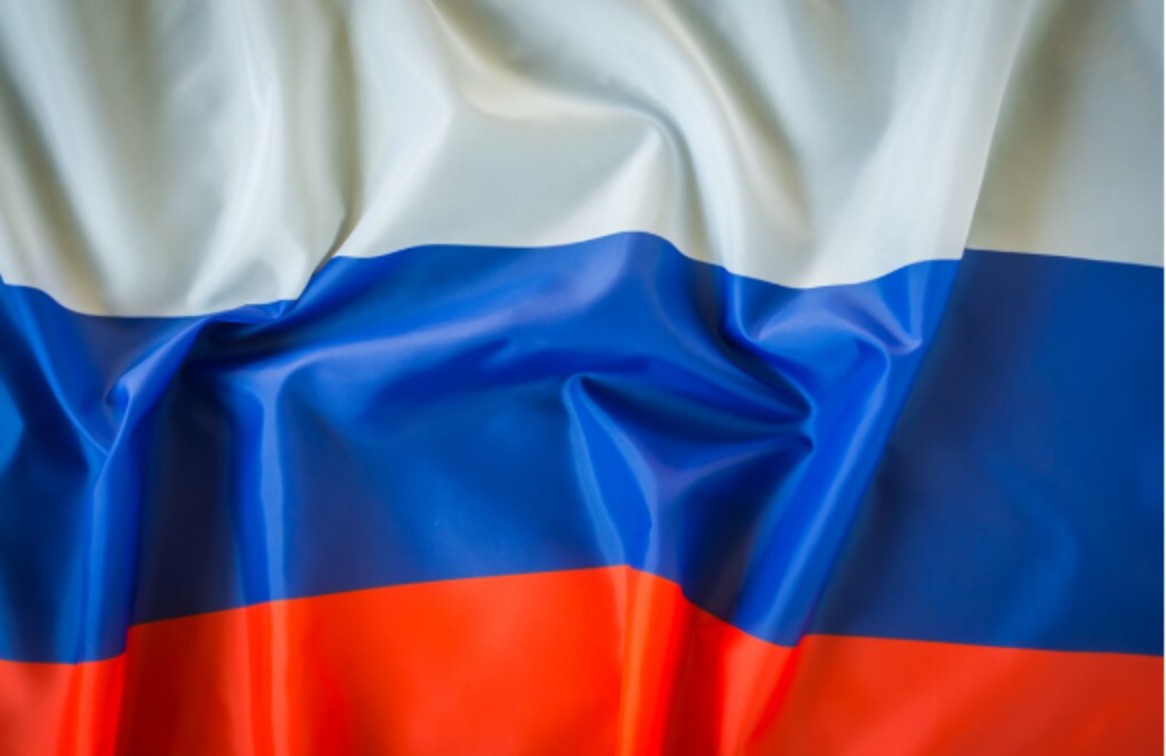
The Kremlin has reiterated its willingness to engage in dialogue with European nations, yet firmly rejects any negotiations that come with pressure or ultimatums. Kremlin spokesperson Dmitry Peskov emphasized the importance of communication with Europe, given the complex international challenges at hand. However, he stressed that a shift in Europe’s approach toward Moscow is necessary for fruitful discussions to occur. Peskov underscored the need for negotiations to be grounded in mutual respect rather than conducted from a stance of dominance.
Russian President Vladimir Putin has echoed this sentiment, indicating Moscow’s openness to discussions provided European governments take steps to re-establish diplomatic contact. While the European Union has largely paused direct engagement with Russia following the conflict in Ukraine, recent developments suggest a cautious reopening of communication channels. Within the EU, there are varying perspectives on the issue, with some member states advocating for renewed dialogue, while others prefer to keep the pressure on Moscow.
As diplomatic efforts continue, the conflict between Russia and Ukraine persists. Ukrainian drone strikes have targeted areas in and around Moscow, while Russian attacks have caused significant damage and casualties in Ukraine. Amidst these tensions, Ukrainian President Volodymyr Zelenskyy addressed EU leaders at a summit in Brussels. He called for enhanced military support for Kyiv and urged for an expedited process regarding Ukraine’s European Union membership.
EU leaders, in response, reaffirmed their backing of Ukraine’s accession ambitions while engaging in ongoing discussions about security and sanctions policies. Despite the ongoing conflict, Russia maintains that a diplomatic resolution is still attainable. However, it insists that any future negotiations should be based on genuine dialogue, free from political duress.